



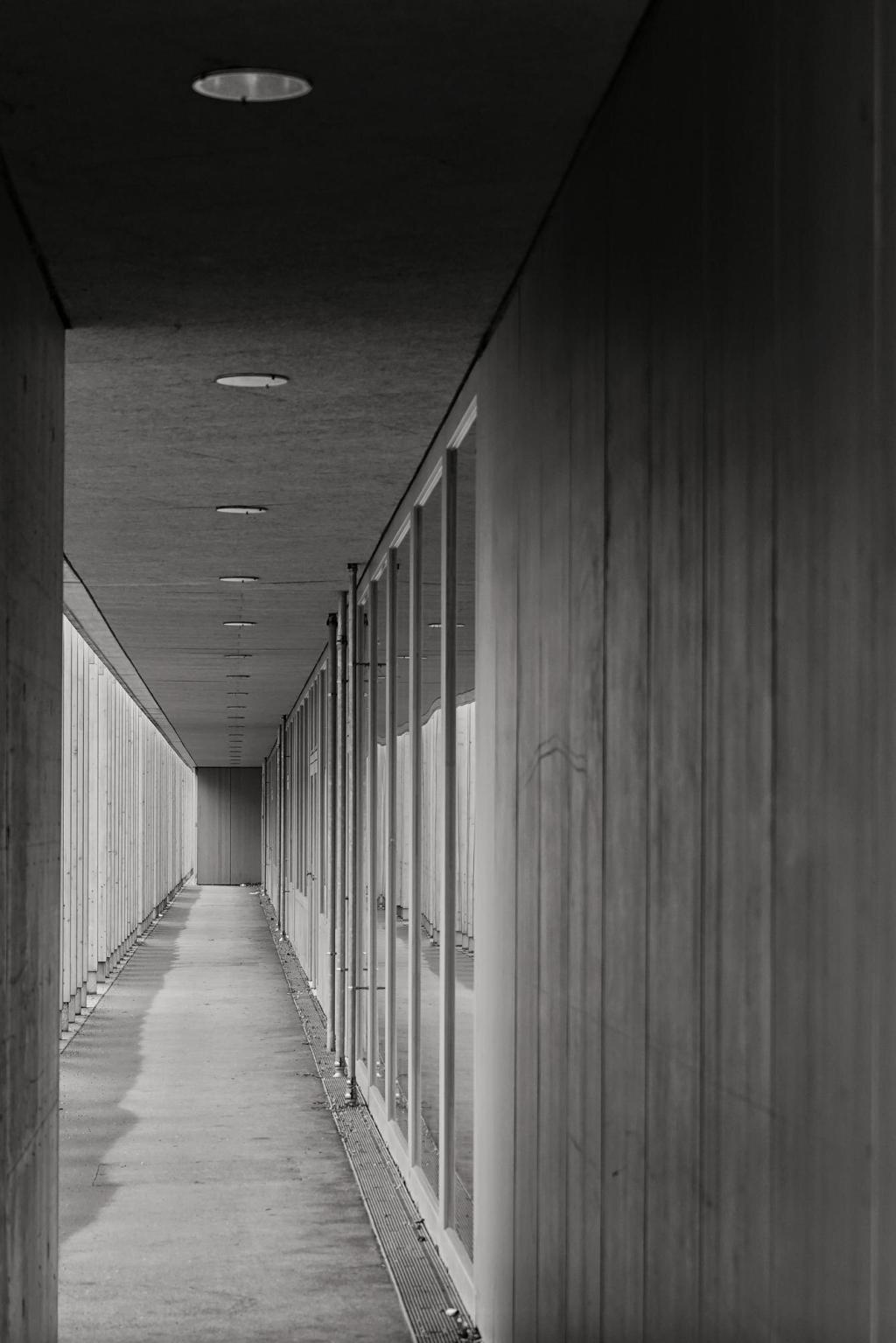




Less, Greener, Better: Sustainable Minimalism in Urban Planning

Chosen theme: Sustainable Minimalism in Urban Planning. Explore how cities can do more with less—lighter materials, smaller footprints, and smarter street life—so everyday living becomes healthier, more connected, and beautifully simple. Join us, share your neighborhood insights, and subscribe for weekly, real-world inspiration.

Core Principles: Doing More With Less

Minimalism in urban planning is not emptiness; it is intention. It favors compact forms, shared amenities, and simple, durable solutions over decorative excess. Every square meter must serve people first, then nature, then movement.

Core Principles: Doing More With Less

By reducing materials, distances, and energy use, cities cut emissions and costs while increasing access. Thoughtful simplicity clears visual clutter, restores dignity to public space, and allows everyday beauty—light, shade, breeze—to do the heavy lifting.

The 15‑Minute City, Without the Excess

Instead of large, rigid complexes, small infill with adaptable ground floors lets neighborhoods evolve with time. Simple floor plates, shared courtyards, and convertible shopfronts reduce risk, construction waste, and energy while supporting local entrepreneurs.

The 15‑Minute City, Without the Excess

Continuous shade, safe crossings, protected bike lanes, and traffic calming achieve more than flashy structures. When routes are direct and delightful, people naturally choose them. Less signage, fewer detours, and clearer sightlines make every journey easier.
Minimalist planning starts with reuse. Converting warehouses to schools or offices preserves embodied carbon and cultural memory. Simple retrofits—daylight, ventilation, and insulation—often outperform new construction at a fraction of cost and disruption.

Mobility With Less: Space‑Smart Movement

Compact blocks around stations reduce car dependence and unlock gentle density. Narrow fronts, short blocks, and lively corners create safer walks. Small shops and services tucked under homes mean trips are shorter, cheaper, and more sociable.

Mobility With Less: Space‑Smart Movement

Minimums often overbuild asphalt, spread destinations apart, and raise housing costs. Right‑sized parking with shared use frees land for trees, homes, and playgrounds. Simple striping and permeable surfaces shrink runoff and heat without expensive overhauls.

Measure What Matters, Govern Lightly

Track per‑capita emissions, distance to daily needs, tree canopy, crash reductions, and water capture. Publish open dashboards so residents can see change. Transparency turns skepticism into stewardship, one honest chart at a time.

Measure What Matters, Govern Lightly

Replace bloated rules with concise pattern guides: frontage types, shade requirements, and build‑to lines. Fewer pages, clearer drawings, and pre‑approved details speed delivery and reward good urbanism instead of complex paperwork games.

Measure What Matters, Govern Lightly

Set aside small funding for resident‑led fixes—trees, crosswalks, stools, and lights. Train block stewards to maintain planters and paint. When neighbors co‑own change, projects last longer with less money and far more pride.

Measure What Matters, Govern Lightly

Lorem ipsum dolor sit amet, consectetur adipiscing elit. Ut elit tellus, luctus nec ullamcorper mattis, pulvinar dapibus leo.

Myrolitstudios
Privacy Overview

This website uses cookies so that we can provide you with the best user experience possible. Cookie information is stored in your browser and performs functions such as recognising you when you return to our website and helping our team to understand which sections of the website you find most interesting and useful.